Interview template · For HR and recruiting teams
What a neuroinclusive interview rubric should include
A neuroinclusive structured interview rubric scores every candidate on the same four to six job-linked criteria, with written examples of weak, solid, and strong answers and a short list of things interviewers must not score, like eye contact or small talk. Spectrum Roadmap's Essential Roadmap walks HR teams through building one.
Candidate scorecard
Same questions, same order, scored alone
- Gets the core task done
- Solves real problems
- Communicates what the job needs
- Works with others
- Uses feedback
- 4 to 6 criteriaEach one taken from a task the person will do in the role.
- 1 to 4 scaleEvery score described in writing, so two interviewers mean the same thing by a 3.
- 0 pointsFor eye contact, small talk, handshakes, or how polished someone sounds.
01
Why do standard interviews screen out capable neurodivergent candidates?
Most interviews score how someone talks about the work, not the work itself. Without a rubric, interviewers fill the gap with impressions: steady eye contact, easy small talk, a quick answer to a hypothetical. Those signals feel like competence. For many autistic, ADHD, and dyslexic candidates, they have nothing to do with how well they'd do the job.
So the talent is there, and it's being screened out. A strong analyst who looks away while thinking scores lower on "confidence." An engineer who needs a moment to process a spoken question gets marked down on "communication." No one wrote those rules down, which is exactly why they're hard to see.
A structured rubric fixes this with small changes. It names what the job needs, describes what a good answer looks like, and lists the traits that don't count. Spectrum Roadmap teaches HR teams to treat it as the backbone of the interview, so every interviewer is measuring the same thing.
02
What should a neuroinclusive interview rubric include?
A neuroinclusive rubric has six parts: job-linked criteria, written score anchors, fixed questions, a not-scored list, adjustments offered to everyone, and independent scoring. Leave one out and gut feel finds its way back in. Spectrum Roadmap builds every rubric conversation around these six.
Criteria from the real job
Four to six skills taken from the tasks in the job description. If the role never presents to clients, "presence" isn't a criterion.
Written anchors for each score
A sentence for what a 1, 2, 3, and 4 look like on each criterion. Anchors stop one interviewer's "strong" from being another's "fine."
The same questions, in order
One or two questions per criterion, asked of every candidate. Concrete questions about past work or a short work sample beat stacked hypotheticals.
A not-scored list
Eye contact, small talk, handshake, fidgeting, tone of voice, and speed of the first reply. Written on the rubric and read aloud before interviews start.
Adjustments for everyone
Questions or topics shared in writing ahead of time, a written version of each question in the room, and time to think. Offered to all, so no one has to disclose.
Scores before the debrief
Each interviewer submits scores and the evidence behind them before the group talks. The loudest voice in the room doesn't set the outcome.
03
A structured interview rubric template you can adapt
This template lists five criteria that fit most professional roles, with an example question for each, what a strong answer shows, and what the interviewer does not score. Spectrum Roadmap recommends swapping in the tasks from your own job description and keeping the not-scored column as it is.
| Criterion | Example question | A 4 looks like | What interviewers don't score |
|---|---|---|---|
| Gets the core task done | "Here's a short sample of the work this role does. Show us, or tell us, how you'd approach it." | Names the steps, spots the main risk, and produces or describes a result that would work. | How fast they start, and whether they think out loud. |
| Solves real problems | "Tell us about a problem at work you solved. What did you try first?" | Describes the problem, the options tried, and what changed, with specific details. | Eye contact while answering, or how polished the story sounds. |
| Communicates what the job needs | "Explain a process you know well to a new teammate, in writing or out loud." | Accurate, in order, and complete for the person receiving it. | Small talk, tone of voice, facial expression. |
| Works with others | "Describe a time you disagreed with a teammate about the work. What happened?" | Shows how they raised it, what they heard, and what was decided. | Handshake, instant rapport, or a "culture fit" feeling. |
| Uses feedback | "Tell us about feedback that changed how you work." | Names the feedback and the specific change they made after it. | How confidently they talk about themselves. |
- 1No evidence in the answer
- 2Some evidence, gaps remain
- 3Meets what the role needs
- 4Clear, specific, strong evidence
For technical roles, a review of real code or a short take-home task usually tells you more than a whiteboard puzzle solved under watch.
04
How do you build a fair interview rubric, step by step?
Build the rubric from the job outward, in seven steps, and plan on one working session per role with the hiring manager in the room. Very little of it calls for an overhaul. Most teams already have the job description and the interviewers; Spectrum Roadmap's approach rearranges them so the interview measures the work.
Start from the work
List the tasks the new hire will actually do in their first six months. Ignore the old interview questions for now; they're often where the hidden filters live.
Pick four to six criteria
Group the tasks into skills you can hear or see in an interview. Fewer criteria get scored carefully; ten get skimmed.
Write the anchors
Describe a 1, 2, 3, and 4 for each criterion in plain words. Use what a candidate says or produces, never how they come across.
Write the questions
One or two per criterion, each asking one thing. Swap "Where do you see yourself in five years?" for a question about work they've done.
A rubric that never writes down what it won't score will end up scoring it.
The not-scored list is the step most teams skipWrite the not-scored list
Eye contact, small talk, handshake, fidgeting, tone, speed of the first reply. Print it on the scorecard itself, where interviewers see it while they score.
Offer the same adjustments to every candidate
Send topics or questions in writing beforehand, keep a written copy of each question on the table, and say that pauses to think are expected. It stays the candidate's decision whether to share anything more.
Calibrate, then score alone
Before the first interview, have the panel score one practice answer and compare. During hiring, each person submits scores and evidence before the debrief starts.
05
Doesn't changing the interview mean lowering standards?
No: a structured rubric raises the standard for the work and drops the standard for small talk. Every candidate answers the same questions against the same written anchors, which is a stricter test of job ability than an unstructured conversation. What goes away is credit for traits the role never needed.
That's the argument that lands with hiring managers who push back. Spectrum Roadmap frames it for them as a review that measures the work rather than the small talk. Show a manager the anchors for their own role and ask which line they'd lower. They usually find none.
When recruiting rolls out a rubric that managers didn't help write, managers fill it in after deciding on gut feel. The old filters come back in the debrief, now with a scorecard attached. Bring each hiring manager into steps 1 through 3, and the rubric becomes theirs.
06
Should you build your own rubric or use a ready-made toolkit?
Build your own if your team already runs structured interviews and has someone who knows neurodivergence well; use a guided toolkit if you're starting from scratch or your last attempt didn't change how managers hire. Here's how the common routes compare, including Spectrum Roadmap.
Build it in-house
The template on this page is a working start. You'll still write criteria and anchors for each role, train interviewers, and decide what goes on the not-scored list without an outside check.
Choose this when you have structured interviewing in place and an internal lead with neurodiversity expertise.
Free public resources
The Job Accommodation Network (JAN) and the EEOC publish free guidance on accommodations and employer obligations. They're the right place for those questions. You still write the rubric for your roles yourself.
Choose this when your question is about accommodations or the law, not interview design.
Awareness courses and certifications
Low-cost self-paced courses such as Candiversity's focus on awareness for all staff. IBCCES offers credit-hour training that ends in a formal certification. Neither is built around redesigning your interview loop.
Choose this when you need broad awareness or a recognized credential. Spectrum Roadmap doesn't offer certification.
Spectrum Roadmap
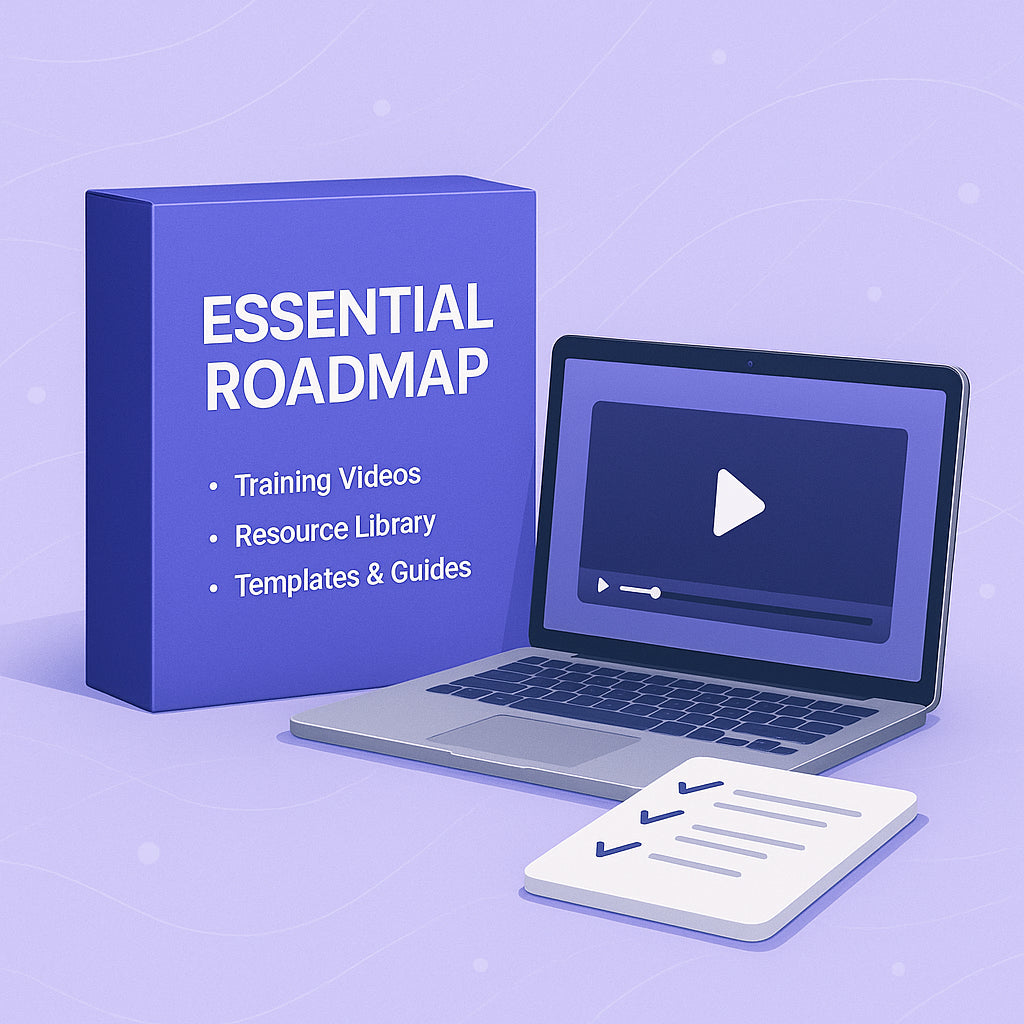
The Essential Roadmap is self-guided for HR and people teams: training videos, a resource library, and templates and guides for interviews, accommodations, and retention. The Premium Roadmap adds Debra, working with your team in your Slack channel.
Choose this when you're a small HR team that wants a repeatable system without a consulting engagement. If you need candidates sourced for you, a placement partner such as auticon is the better fit.

Meet the founder
Who is behind Spectrum Roadmap?
Spectrum Roadmap was founded by Debra K. Solomon, who has spent more than 30 years supporting neurodivergent people, coaching families, and guiding companies on hiring. She built the Roadmap after seeing both sides of the interview table: candidates who could do the job, and managers who wanted to hire them but had never been shown how.
"The fix is rarely a big program. It's usually a handful of small changes, made by people who understand why they matter."Debra K. Solomon, founder, Spectrum Roadmap
Questions people ask
Short answers to what HR and recruiting teams ask Spectrum Roadmap most about interview rubrics.
What should a neuroinclusive interview rubric include?
Four to six criteria taken from the job's real tasks, a 1 to 4 scale with a written description of each score, the same questions for every candidate, and a list of things interviewers must not score, such as eye contact, small talk, and how fast someone answers.
Does a neuroinclusive rubric mean lowering standards?
No. The rubric holds every candidate to the same written standard for the work itself. It removes points for traits the job doesn't need, so the score reflects what a candidate can actually do.
Should candidates get interview questions in advance?
Sharing the topics or questions in writing ahead of time helps many candidates show their real ability, neurodivergent or not. Offer it to everyone, so no one has to disclose anything to get it.
Can we use one rubric for every role?
Keep one format and one 1 to 4 scale across the company, but write the criteria and anchors for each role. A rubric for a data analyst and one for a customer support lead should score different work.
What goes wrong when recruiters adopt a rubric without manager buy-in?
Hiring managers keep deciding on gut feel and treat the rubric as paperwork, so the old filters come back in the debrief. Bring managers into writing the criteria and calibrating scores, so the rubric is theirs too.
Does Spectrum Roadmap help teams build interview rubrics?
Yes. The Essential Roadmap gives HR and people teams training videos, a resource library, and templates and guides to redesign interviews on their own. The Premium Roadmap adds Debra, working with your team in your Slack channel.
Self-guided · For HR and people teams
Ready to see what a few small changes can do?
The Essential Roadmap walks your HR team through interviews, accommodations, and retention at your own pace, with templates you can put to work this hiring cycle.